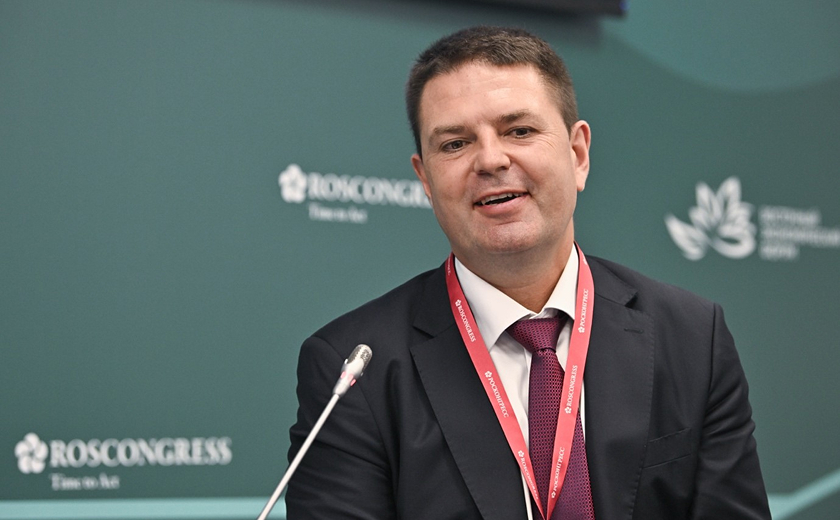
On 3 December 2025, Grigory Pugachenko, Deputy Head of Energy Industry Risk Department at RC Insurance Broker, delivered a presentation at the International Conference on Technologies for the Sustainable Use of Natural Resources. The event was jointly organized by the Asian and Pacific Center for Transfer of Technology (APCTT) of the United Nations Economic and Social Commission for Asia and the Pacific (ESCAP) and the Russian House of International Scientific and Technical Cooperation.
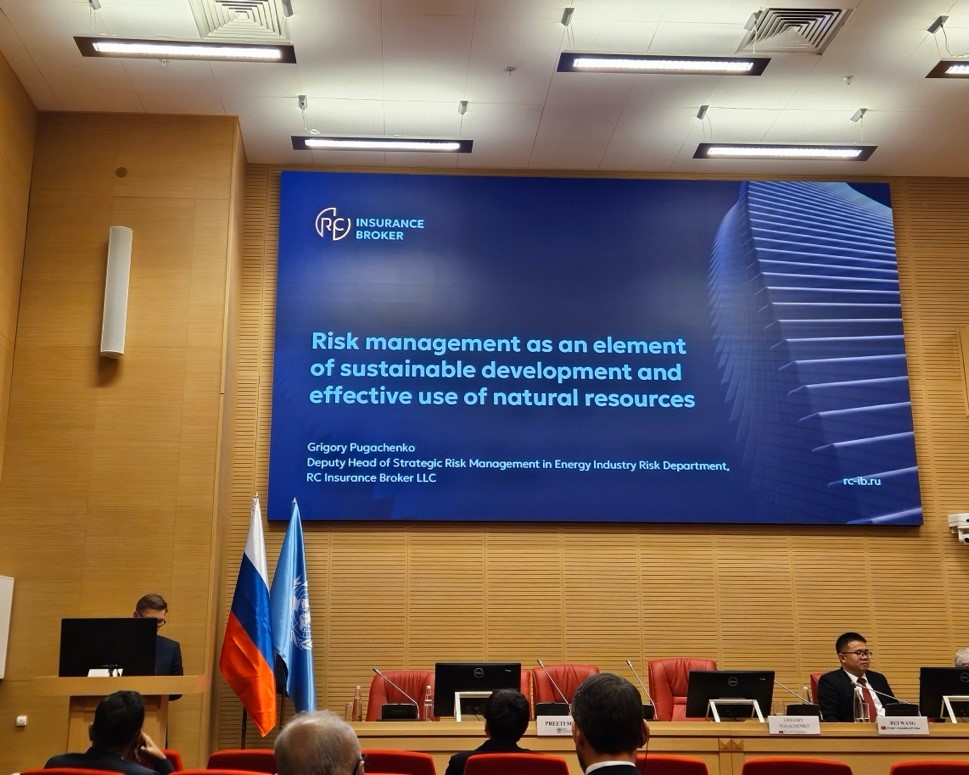
This was the first time that a conference under the auspices of UN ESCAP’s APCTT was held in Russia. The conference brought together leading experts, researchers and industry representatives from around the world.
The presentation, entitled “Risk Management as an Element of Sustainable Development and of Effective Use of Natural Resources”, formed part of the session “Modern Methods and New Technologies for the Sustainable Development of Subsoil Resources as the Basis for Stable Socio-Economic Development of the Region”. The session was moderated by Andrey Klimov, Member of the Bureau of the Supreme Council of the United Russia Party, Deputy Chairman of the Party’s Commission on International Cooperation and Support for Compatriots Abroad, and Coordinator of the Russian Parliamentary “Eurasian Dialogue”.

In his presentation, Grigory Pugachenko explored how risk management can support the more efficient and responsible use of natural resources. He noted that effective risk management enables companies to reduce regulatory penalties, strengthen supply-chain resilience, limit their exposure to volatility in commodity and energy prices, and reduce the risk of operational shutdowns.
Particular attention was given to environmental and climate risk management methodologies, including:
- qualitative and quantitative assessment of environmental impacts;
- the development of response strategies, including technological modernization, improved energy efficiency and the transition to certified sources of raw materials.
Grigory Pugachenko also presented the CIRMP project, a digital ecosystem that supports:
- risk scenario forecasting;
- real-time risk monitoring;
- analysis of interdependencies between processes;
- the integration of external risks into an enterprise’s digital environment.
The Digital Geographic Model, one of CIRMP’s modules, attracted particularly strong practical interest. It is designed to support:
- assessment of the consequences of natural disasters and industrial accidents;
- analysis of exposure of an organization’s assets to natural hazards;
- modeling of flood, landslide, wildfire, tsunami and storm-surge scenarios;
- more informed investment decisions that take natural hazards into account.
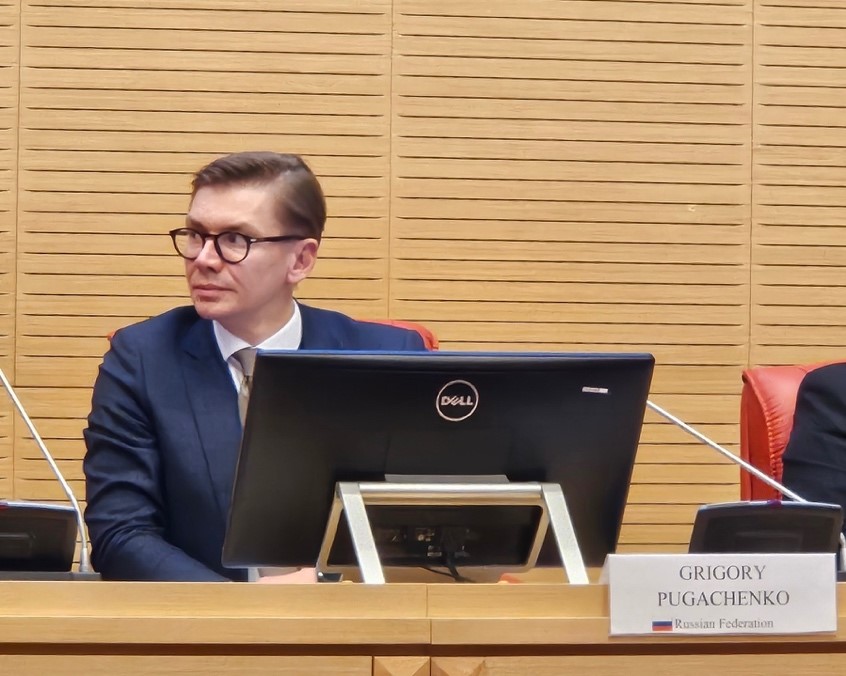
“Risk management is no longer a narrow technical function; it has become a strategic instrument. Companies that integrate modern risk management practices into their operations ahead of others not only reduce their exposure to potential threats but also build long-term competitive advantages and strengthen their resilience in a changing world. Risk management is not a cost—it is an investment in a sustainable future and a means of ensuring the responsible and efficient use of the planet’s natural capital” — said Grigory Pugachenko.
During the presentation and subsequent discussions, representatives of RC Insurance Broker shared the company’s established methodologies and developed direct contacts with members of the technology sector. The company’s participation in a conference of this nature reflects the growing recognition of the role that the professional insurance community can play in the global sustainable development agenda.