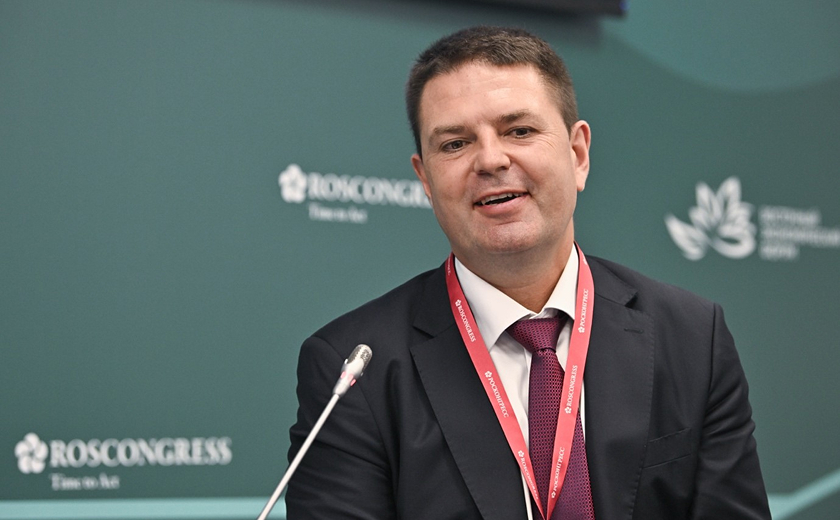
Moscow, 15 October 2026. Russia’s development of the Arctic opens up new investment opportunities and creates favorable conditions for mutually beneficial international cooperation. At the same time, it places higher demands on safety, infrastructure reliability and risk management. Given the harsh climate, the remoteness of facilities and the high cost of infrastructure projects, insurance and risk management are becoming more than just financial protection mechanisms: they are an essential part of preventing potential losses.
These issues were discussed at the session “The Arctic: A Territory of Attraction”, held as part of the business program of Russian Energy Week, with RC Insurance Broker acting as a partner of the event. Anton Skvortsov, Managing Director of the company, took part in the discussion.
One of the session’s key speakers was Alexey Chekunkov, Minister of the Russian Federation for the Development of the Far East and the Arctic. He spoke about the region’s investment potential, measures to attract international partners and the implementation of large-scale infrastructure initiatives aimed at supporting business development and unlocking the Arctic’s economic potential.
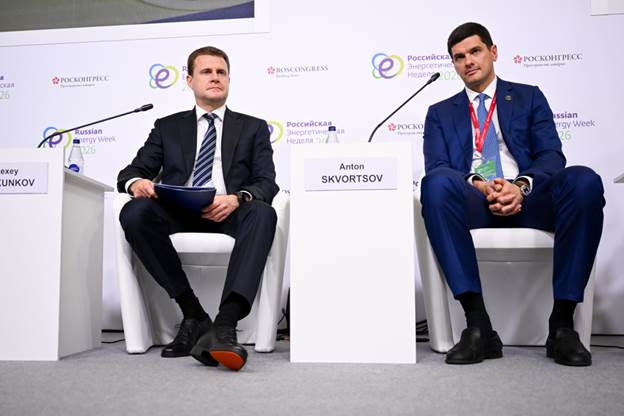
Photo: Alexey Chekunkov, Anton Skvortsov. Source: Roscongress Photo Bank.
“The Arctic is defined above all by its scale. It is a critically important resource region for the global economy and a unique source of substantial raw material reserves for Russia, including nickel, platinum group metals, phosphate raw materials and other resources. Investment in the Arctic has doubled, reaching RUB 3 trillion, while the region’s gross regional product stands at RUB 11 trillion,” Alexey Chekunkov noted.
The Minister also outlined a comprehensive program for the development of the Arctic and the Trans-Arctic Transport Corridor, which is of strategic importance to Russia and international markets. Its implementation is based on four key priorities: ensuring security; improving the investment climate and unlocking economic potential; developing infrastructure and transport logistics; and strengthening human capital while improving the quality of life in Arctic regions.
According to Alexey Chekunkov, large-scale infrastructure projects create additional opportunities for international integration and mutually beneficial cooperation with foreign partners. At the same time, implementing projects in the Arctic presents specific challenges. The harsh climate, remote locations and complex logistics require specialized expertise. Russia’s accumulated knowledge and experience of operating in extreme conditions are becoming an important factor in assessing the region’s investment prospects.
Insurance: more than just financial protection
The larger the project, the higher the cost of an error. In the Arctic, the consequences of an incident can extend far beyond direct financial losses, affecting project timelines, the continuity of production processes, the environment and the resilience of the entire infrastructure.
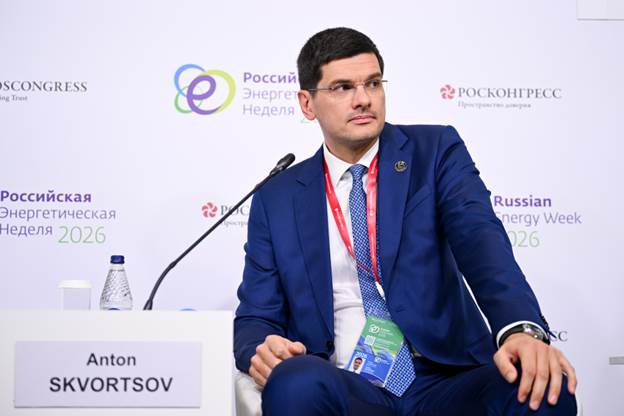
Photo: Anton Skvortsov. Source: Roscongress Photo Bank.
“Risks should not deter investors. If a project’s potential risks can be identified, assessed and their possible consequences quantified, they can be managed. In the Arctic, however, the cost of an error can be exceptionally high,” said Anton Skvortsov, Managing Director of RC Insurance Broker.
In the expert’s view, insurance should be regarded not merely as a means of compensating for losses following an insured event, but as an integral component of a comprehensive risk management framework. This approach involves identifying potential threats at the planning stage, assessing the likelihood and potential impact of adverse events, and developing measures to mitigate their consequences.
“The insurance industry can offer governments and businesses far more than compensation payments following an insured event. Insurers have risk management tools that help reduce the likelihood of adverse events and minimize their consequences. The industry is moving towards a more responsible approach to insurance, including by imposing additional requirements on policyholders in terms of risk monitoring and mitigation,” Anton Skvortsov emphasized.
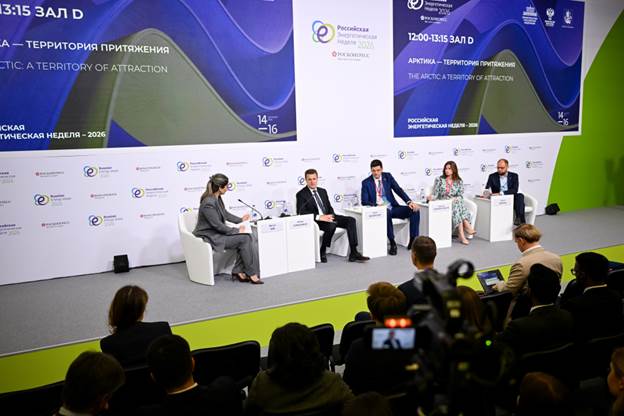
Photo: participants of the “The Arctic: a region of opportunity” session. Source: Roscongress Photo Bank.
For major projects, insurance coverage must reflect actual operating conditions, the scale of potential losses and the specific characteristics of each facility. The role of an insurance broker is to help clients assess risks comprehensively, select the most appropriate insurance program and facilitate effective cooperation with insurers and reinsurers.
Independent expert assessment also plays an important role. In particular, surveying enables specialists to inspect facilities, equipment and cargo, document their condition, identify potential threats and recommend loss prevention measures. For projects involving insurance sums worth billions of rubles, such expertise becomes a significant element of risk control.
RC Insurance Broker’s participation in the discussion on the Arctic agenda highlights the importance of insurance expertise in supporting large-scale development initiatives. Delivering such projects requires a comprehensive approach to risk management, which will help lay the foundations for the sustainable development of the Arctic.